







mai
17,
2025
Get glowing skin after a peel! Discover essential tips for hydrating, protecting, and enhancing your skin while extending the results.


The cosmetics and aesthetics expert, for professionals and individuals
mai
17,
2025
Get glowing skin after a peel! Discover essential tips for hydrating, protecting, and enhancing your skin while extending the results.
mai
03,
2025
Discover enzymatic peeling, the gentle exfoliation ideal for sensitive skin. Hydrate, brighten, and refine your complexion with this innovative ...
avril
25,
2025
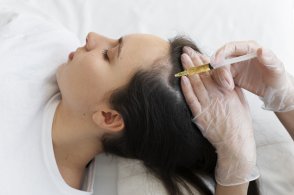
Discover scalp mesotherapy, an innovative solution to slow down hair loss, stimulate hair regrowth, and revitalize the scalp.
avril
21,
2025
Discover the benefits of glycolic peeling for radiant skin! Combat acne, fade scars, and revive your complexion with this powerful treatment.
avril
18,
2025
Discover the differences between chemical and mechanical peels: advantages, limitations, and tips for choosing the best technique adapted to your ...
avril
16,
2025
Prepare your skin before a cosmetic injection for optimal and long-lasting results. Discover expert advice, key steps, and suitable products!
avril
15,
2025
Discover the latest innovations in peeling for radiant and healthy skin: natural enzymes, fractional lasers, and nanotechnology. Enhance your beauty!
avril
12,
2025
Discover everything about hyaluronic acid: its benefits for hydration and anti-aging, the types of products available, and how to choose the one ...
avril
11,
2025
Discover the secrets of mesotherapy: an innovative technique for skin rejuvenation, cellulite reduction, and hair treatment. Myth or reality?
avril
10,
2025
Discover the key steps to optimize recovery after a peel: hydration, sun protection, and personalized care for glowing and soothed skin.
avril
07,
2025
Discover the secrets of peeling for radiant and rejuvenated skin. Types, benefits, precautions, and advice for long-lasting and personalized results!
mars
24,
2025
Are you hesitating between a chemical peel and a superficial laser treatment to improve the appearance of your skin? Discover the advantages of ...
févr.
28,
2025
Capillary mesotherapy is an innovative solution to slow down hair loss and stimulate hair growth. Through injections of vitamins and hyaluronic ...
févr.
27,
2025
Are you hesitating between a chemical peel and microneedling to improve your skin? These two aesthetic treatments each have their own ...
févr.
27,
2025
Exosomes and plant stem cells are transforming cosmetics in 2025: skincare products that can naturally boost collagen production (+33% in 6 weeks) ...
févr.
24,
2025
Stretch marks affect nearly 80% of adults and result from rapid stretching of the skin. Although they are common, there are effective ways to ...
févr.
21,
2025
Mesotherapy, invented in France more than 70 years ago, revolutionizes the management of joint pain and aesthetic care through targeted ...
févr.
20,
2025
Discover the true benefits of hyaluronic acid for hydration, skin youthfulness, joint health, and wound healing. Scientific studies and practical ...

Imagine stepping out of a chemical peel with the hope of radiant and renewed skin, but without specific knowledge about the care to follow afterwards. Ignoring the appropriate post-peel practices can compromise the results achieved or even worsen the sensitivity of your skin.
A tailored routine, focusing on hydration, protection, and soothing, is essential to maximize the benefits of the peel while preventing irritations. If you are looking for practical advice or recommendations on the best products to use, you are in the right place. Discover here a comprehensive method to preserve the radiance and health of your skin. Let's go straight to the essential steps for optimal recovery.
A chemical peel, whether superficial, medium, or deep, works by removing the top layers of the skin to stimulate cell renewal and improve the overall appearance of the epidermis. However, this process can cause immediate side effects that require special attention.
After a chemical peel, the skin barrier is temporarily altered, increasing the skin's sensitivity to touch, extreme temperatures, and especially to sunlight exposure. During this delicate phase, appropriate care is essential to prevent irritations or potential skin damage. Common symptoms include:
The temporary removal of the skin's natural protective layer exposes the epidermis to external aggressions, such as pollution or infections. This increases the skin's vulnerability, requiring intensive care to restore hydration, strengthen the lipid barrier, and soothe irritations.
This context explains why a well-designed routine of post-peeling care is essential to support this period of fragility and maximize the treatment outcomes.
A structured and attentive post-peeling routine is the key to a healthy and quick recovery. Here are the fundamental steps and some practical tips to take care of it effectively.
The first rule after a chemical peel is to avoid abrasive or acid-rich cleansers for at least a week to prevent worsening skin sensitivity.
Hydration is one of the fundamental pillars of... Post-peeling care, as it allows the skin to restore its water balance and improve its elasticity.
Sun protection is crucial after a chemical peel. Exposure to UV rays can worsen redness, cause pigmentation spots, and slow down the skin's recovery process.
Each skin type has specific needs. Adapting post-peeling care to your skin type is a personalized approach that optimizes healing and reduces the risks of inappropriate reactions or complications.
Investing in targeted skincare products is an effective strategy to speed up recovery and maximize the benefits of a peel. Here is a selection of essential options.
A chemical peel is a powerful solution to rejuvenate and revitalize the skin. However, immediate side effects such as increased sensitivity and temporary fragility of the skin barrier require careful attention. A well-thought-out post-peel routine, focused on gentle cleansing, deep hydration, and intensive sun protection, is key to successful recovery.
By customizing these treatments according to your skin type—whether it is sensitive, dry, or combination to oily—you maximize the healing potential while minimizing risks. Investing in high-quality products, such as mineral sunscreens or creams rich in ceramides, ensures rapid and safe regeneration, supported by soothing formulas.
By combining patience, consistency, and suitable products, you can not only fully benefit from the effects of your peeling treatment but also achieve radiant and visibly strengthened skin. Your efforts today will result in long-lasting beauty and skin health. To perfect this routine and promote a lifting effect while hydrating your skin, do not hesitate to discover the MCCOSMETICS - Firming Acid Post-Peeling - 50ml, a treatment that neutralizes the peeling effect, restores the skin's pH, and provides a feeling of comfort and freshness.







Comments : 0